Robotic Spine Surgery
Mazor Certified Robotic Spine Surgery in Bergen County from Rishi N. Sheth, MD.
Robotic spine surgery represents one of the most significant advances in surgical precision that spine care has seen in the past two decades. Despite the name, the robot does not perform the surgery. The surgeon does. What the robotic system provides is a level of computer-guided accuracy in planning and instrument placement that goes beyond what the human hand alone can achieve, even in the hands of the most experienced surgeon.
Think of it this way. A highly skilled surgeon performing a freehand spinal fusion has exceptional training, experience, and technique working in their favor. The Mazor robotic system adds a layer of real-time computer guidance, pre-operative 3D planning, and intraoperative navigation that verifies every step of the procedure against a patient-specific surgical plan before it is executed. The result is a procedure that benefits from both the surgeon’s clinical judgment and the robotic system’s mechanical precision simultaneously.
Rishi N. Sheth, MD is certified in the Mazor robotic spine surgery system, one of the most advanced and widely validated robotic platforms in spinal surgery today. Dr. Sheth is one of the few spine neurosurgeons in Bergen County with this specific certification, giving patients in northern New Jersey access to robotic surgical technology that is typically associated with major academic medical centers and university hospitals.
What the Mazor System Does and Why It Matters for Your Surgery.
The Mazor robotic spine surgery platform, developed by Mazor Robotics and now part of the Medtronic portfolio, is one of the most extensively studied and clinically validated robotic systems in spine surgery. It has been used in hundreds of thousands of spinal procedures worldwide and has a substantial body of published research supporting its safety and accuracy.
Here is how it works in practice. Before surgery, a detailed CT scan of the patient's spine is obtained. The Mazor system uses this imaging to create a precise three-dimensional model of the patient's specific spinal anatomy. Rishi N. Sheth, MD then uses this model to plan the surgery in detail on a computer workstation before the patient enters the operating room, including the precise trajectory, angle, and depth of every screw, implant, or instrument that will be placed during the procedure.
In the operating room, the robotic arm is positioned and calibrated to the patient's actual anatomy using a combination of the preoperative plan and intraoperative imaging. When Dr. Sheth places a pedicle screw or positions an implant, the robotic arm guides the trajectory with submillimeter accuracy, ensuring that the executed placement matches the preoperative plan precisely. Any deviation from the planned trajectory is detected in real time and flagged before the instrument advances further.
This level of accuracy matters enormously in spine surgery because the structures at risk during spinal instrumentation, including the spinal cord, nerve roots, and major blood vessels, are often millimeters from where screws and implants need to be placed. A screw that is even slightly malpositioned can cause nerve injury, require revision surgery, or lead to instrumentation failure. Robotic guidance significantly reduces the rate of these complications.
BENEFITS What Robotic Spine Surgery Offers Patients That Conventional Surgery Cannot.
The clinical evidence supporting robotic spine surgery has grown substantially over the past decade, and the advantages over conventional freehand techniques are well-documented for appropriate procedures. Here is what patients at Spine Care New Jersey benefit from when Dr. Sheth uses robotic assistance.
Greater Surgical Accuracy
Published studies consistently demonstrate that robotic-guided pedicle screw placement achieves accuracy rates above 98 percent, significantly higher than freehand placement. In complex anatomical situations, multi-level fusions, revision surgeries, and cases where normal anatomical landmarks are distorted, this accuracy advantage becomes especially significant.
Reduced Radiation Exposure
Robotic planning using preoperative CT reduces the need for repeated intraoperative fluoroscopy, the X-ray imaging conventionally used to guide screw placement in real time. Patients and surgical staff benefit from meaningfully lower radiation exposure during robotic-assisted procedures.
Less Tissue Disruption
Because the robotic system guides instruments through precisely planned trajectories, the minimally invasive incisions used in robotic surgery can be smaller and more targeted than those required for conventional fluoroscopy-guided approaches. Less tissue disruption means less postoperative pain and faster recovery.
Lower Risk of Revision Surgery
Malpositioned screws are one of the most common reasons patients require revision spine surgery. By dramatically reducing the rate of screw malposition, robotic assistance reduces the probability that a patient will need to return to the operating room for a correction procedure.
Improved Outcomes in Complex Cases
For straightforward single-level fusions, the advantages of robotic surgery are real but incremental. For complex multi-level fusions, revision surgeries, deformity corrections, and cases with challenging anatomy, robotic guidance provides a measurably larger benefit because the margin for error is smaller and the consequences of inaccuracy are more significant.
The Spinal Procedures Most Commonly Enhanced by Mazor Robotic Assistance.
Robotic assistance is most valuable in procedures that involve the precise placement of instrumentation within the spinal column. At Spine Care New Jersey, Rishi N. Sheth, MD incorporates Mazor robotic technology into the following categories of procedures when clinical judgment indicates it will provide a meaningful benefit to the patient.
Lumbar spinal fusion procedures including TLIF and DLIF benefit most directly from robotic guidance, as these procedures involve placing pedicle screws across one or more lumbar levels where accuracy is essential for safe and durable fixation.
Cervical spine fusion and instrumentation procedures in the cervical spine require particular precision given the proximity of the vertebral arteries and spinal cord to the surgical field. Robotic guidance adds an important layer of safety verification in this anatomically demanding region.
Complex multi-level reconstructions involving three or more spinal levels, whether for degenerative disease, deformity, or trauma, are cases where the cumulative accuracy benefit of robotic guidance is greatest. Each additional level of instrumentation compounds the importance of precise screw placement throughout the construct.
Revision spine surgery in patients who have had prior spinal procedures presents particular challenges because normal anatomical landmarks are often altered by scar tissue and prior instrumentation. Robotic navigation based on preoperative CT helps Dr. Sheth plan and execute revision procedures with greater confidence.
Spine tumor surgery involving vertebral reconstruction after tumor resection requires precise reconstruction of spinal stability, and robotic assistance supports accurate implant placement in these anatomically complex cases.
It is worth noting that not every procedure requires robotic assistance. Simpler decompression procedures like microdiscectomy, laminectomy, and foraminotomy that do not involve instrumentation do not typically require robotic guidance. Dr. Sheth applies the robotic system selectively, in cases where the precision it provides translates into a genuine clinical benefit for that specific patient.
Mazor Certified. Fellowship Trained. Practicing in Bergen County.
Robotic spine surgery certification is not simply a matter of having access to the equipment. The Mazor system requires specific training and certification, and the outcomes from robotic surgery depend as much on the surgeon's experience and judgment in using the system as they do on the technology itself. A robotic system guided by an inadequately trained surgeon does not produce better outcomes. A robotic system guided by a highly trained, experienced spine neurosurgeon does.
Rishi N. Sheth, MD holds Mazor robotic spine surgery certification alongside dual fellowship training in spine surgery at the University of Miami and in neurosurgical oncology at Memorial Sloan Kettering Cancer Center. This combination of advanced surgical training and robotic technology certification is precisely what makes the level of care at Spine Care New Jersey distinctive among spine practices in Bergen County.
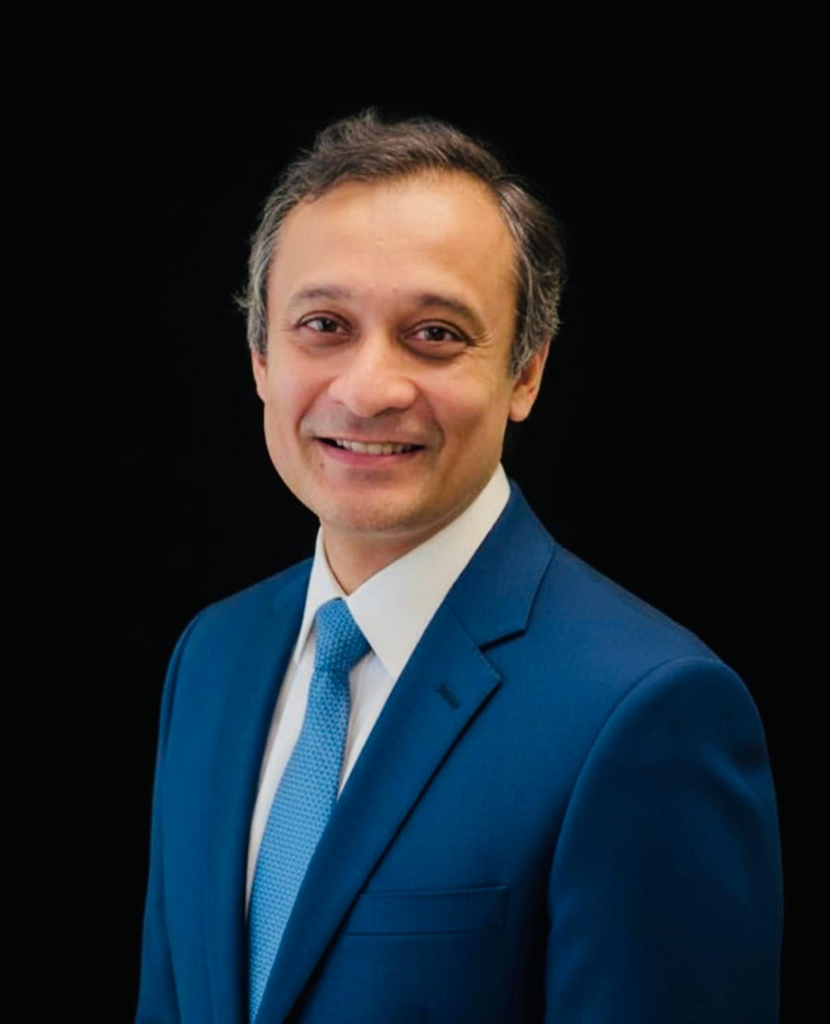
For patients, what this means practically is that when robotic assistance is appropriate for their procedure, they are receiving it from a surgeon who understands both the capabilities and the limitations of the technology, who has selected it for the right reasons, and who uses it within the context of comprehensive surgical training rather than as a substitute for it.
Spine Care New Jersey is also a practice where the same surgeon is involved in every step. Dr. Sheth performs the preoperative planning on the Mazor system, performs the procedure itself, and manages the postoperative recovery. There is no division between planning and execution, and no handoff between providers at any stage of care.

Wondering whether your upcoming spine surgery could benefit from robotic assistance?
Submit your imaging for a free review by Rishi N. Sheth, MD and find out whether you are a candidate for robotic-guided surgery.
Common Questions About Robotic Spine Surgery at Spine Care New Jersey.
Robotic assistance in spine surgery uses a computer-guided robotic arm to help the surgeon place screws, implants, and instruments with greater precision than freehand techniques allow. The surgeon plans the procedure in advance using a 3D model of the patient’s spine, then the robotic system guides each instrument along the planned trajectory with submillimeter accuracy during surgery. The robot does not perform the surgery independently — the surgeon executes every step with the robotic system providing real-time guidance and verification.
The most widely used and clinically validated robotic spine surgery platforms include the Mazor X Stealth system by Medtronic, the ExcelsiusGPS by Globus Medical, and the ROSA Spine system by Zimmer Biomet. Rishi N. Sheth, MD is certified in the Mazor robotic system, which has one of the largest bodies of published clinical evidence in robotic spine surgery and has been used in hundreds of thousands of procedures worldwide. He is one of the few spine neurosurgeons in Bergen County with Mazor certification.
Spine Care New Jersey in Bergen County offers Mazor robotic spine surgery led by Rishi N. Sheth, MD, a board-certified spine neurosurgeon and Mazor certified specialist. Unlike many practices that have the robotic system but limited specific training, Dr. Sheth holds formal Mazor certification alongside dual fellowship training in spine surgery. New patients throughout Bergen County and northern New Jersey can book a consultation or submit imaging for a free expert review to determine whether robotic-assisted surgery is appropriate for their condition.
The key benefits of robotic spine surgery include significantly higher accuracy in screw and implant placement, reduced radiation exposure to the patient and surgical team, smaller and more targeted incisions due to precise trajectory guidance, lower risk of revision surgery from malpositioned hardware, and improved outcomes in complex multi-level and revision cases. For straightforward procedures the advantage is incremental. For complex reconstructions, the accuracy benefit of robotic guidance is most meaningful and clinically significant.
Robot-assisted spine surgery carries the same general risks as conventional spine surgery, including infection, bleeding, nerve injury, and hardware complications, but at demonstrably lower rates for instrumentation-related complications such as screw malposition. The robotic system itself introduces no additional risk when used by a certified surgeon. Like any surgical procedure, the most important risk mitigation factor is surgeon experience and proper patient selection. Rishi N. Sheth, MD discusses all relevant risks thoroughly during the
preoperative consultation and recommends robotic assistance only when it provides a genuine clinical benefit for that specific patient.