Physical Therapy and Rehabiliation
Physical Therapy and Rehabilitation as Part of Expert Conservative Spine Care in New Jersey.
At Spine Care New Jersey, the first question Rishi N. Sheth, MD asks when evaluating a patient is not whether surgery is needed. It is whether conservative treatment has been given a genuine, well-directed chance to work. For a large proportion of patients with spine conditions, the honest answer is that it has not. Physical therapy is often prescribed generically, without a specific program designed around the patient’s actual diagnosis, and without the oversight of a spine specialist who can tell whether the therapy is targeting the right problem in the right way.
That is the difference Dr. Sheth makes in the physical therapy process. He does not simply hand patients a referral and send them to a physical therapist. He evaluates the diagnosis, identifies the specific mechanical problem driving the symptoms, and coordinates a physical therapy program that is specifically designed to address that problem. The therapist works with the patient on the exercises and techniques. Dr. Sheth monitors the progress, adjusts the plan when needed, and makes the determination about when PT has produced the expected benefit or when the clinical picture warrants a different approach.
Physical therapy is not appropriate for every patient, and it is not a substitute for surgery in patients who have a clear surgical indication. But for the right patient with the right diagnosis, a well-designed and properly monitored physical therapy program is one of the most effective and durable treatments available for spine pain, without the risks and recovery of a surgical procedure.
Rishi N. Sheth, MD coordinates physical therapy referrals with trusted rehabilitation specialists throughout northern New Jersey. Every patient who receives a PT recommendation from Spine Care New Jersey receives a specific, diagnosis-driven therapy prescription that tells the therapist exactly what the clinical problem is, what the treatment goals are, and what functional milestones the patient should be meeting at each stage of the program.
The Spine Conditions That Respond Well to Physical Therapy.
Physical therapy is an effective first-line or adjunctive treatment for a wide range of spinal conditions. Understanding which conditions typically respond well to PT, and which require a different approach, is part of the expertise Dr. Sheth brings to every patient evaluation.
Herniated Disc and Lumbar Radiculopathy
For patients with a herniated lumbar disc causing nerve root irritation and sciatica, physical therapy targeting core stabilization, neural mobilization techniques, and directional preference exercises based on the specific pattern of pain can produce significant improvement in symptoms over six to twelve weeks. Not every herniated disc patient is an appropriate PT candidate, but for those with manageable pain and no significant neurological compromise, a structured physical therapy trial is the correct starting point.
Lumbar Spinal Stenosis
Physical therapy for lumbar spinal stenosis focuses on flexion-based exercises that reduce the extension loading that narrows the spinal canal, core and hip strengthening to improve spinal stability, and aquatic therapy where appropriate. For patients with neurogenic claudication from lumbar stenosis, PT can meaningfully improve walking tolerance and delay or avoid the need for surgical decompression.
Degenerative Disc Disease
Core stabilization is the cornerstone of physical therapy for degenerative disc disease. Strengthening the muscles that support the lumbar and cervical spine compensates for the reduced load-bearing capacity of the degenerated discs, reduces mechanical stress on the painful segments, and improves the patient's ability to manage their symptoms long-term.
Neck Pain and Cervical Conditions
For patients with neck pain, cervical disc disease, or cervical radiculopathy with manageable symptoms, physical therapy targeting deep cervical flexor strengthening, postural correction, and manual therapy techniques can produce substantial improvement. Many patients with cervical radiculopathy experience meaningful relief through a combination of cervical physical therapy and targeted injections before surgical evaluation becomes necessary.
Post-Surgical Rehabilitation
Physical therapy after spine surgery is not the same as physical therapy as a conservative treatment. It is a carefully staged process of rebuilding strength, stability, and confidence in the spine following a procedure. Dr. Sheth provides every surgical patient with a specific postoperative rehabilitation program, beginning with protected mobilization and progressing through core strengthening and return to full activity over a timeline appropriate to the specific procedure.
Scoliosis
For adult scoliosis patients managed non-surgically, physical therapy focused on paraspinal and core strengthening reduces the muscular fatigue and pain associated with maintaining posture against an imbalanced spinal column. Schroth-method physical therapy, which uses curve-specific exercises and breathing techniques, is the most evidence-based approach for adult scoliosis management.
Generic Physical Therapy and Spine-Specific Physical Therapy Are Not the Same Thing.
This distinction matters enormously and it is one that many patients do not realize until they have spent months in a generic PT program that produced minimal benefit.
Generic physical therapy programs for back pain often rely on the same set of exercises regardless of the patient's specific diagnosis. Stretching, strengthening, and aerobic conditioning are all beneficial in a general sense, but they do not address the specific mechanical problem causing a particular patient's symptoms. A program that helps one patient with lumbar stenosis may not help, and could potentially aggravate, a patient whose pain comes from a herniated disc with nerve root compression.
Spine-specific physical therapy begins with an accurate diagnosis. The therapist needs to know whether the patient's pain comes from a herniated disc, foraminal stenosis, facet joint disease, degenerative disc disease, or a combination of these, because the exercises and manual therapy techniques that help each condition are different. Directional preference exercises for disc herniation move the spine in a way that centralizes and reduces disc pain. Flexion-biased exercises for stenosis open the spinal canal and reduce nerve root compression. Extension-biased programs for degenerative disc disease support the posterior structures. These approaches are not interchangeable.
When Rishi N. Sheth, MD refers a patient for physical therapy, the referral is specific. It includes the diagnosis, the relevant imaging findings, the clinical goals, and any activity restrictions that the therapist needs to be aware of. This information transforms the therapist's ability to design an effective program and gives the patient a much better chance of a meaningful response to conservative treatment.
How Physical Therapy Fits Within the Full Spine Care Plan at Spine Care New Jersey.
Physical therapy at Spine Care New Jersey is not a standalone referral. It is one component of a coordinated treatment plan that Dr. Sheth oversees from start to finish.
For patients presenting with a new diagnosis and no prior conservative treatment, physical therapy is typically the starting point. It is prescribed concurrently with any appropriate non-surgical interventional treatments, such as epidural steroid injections or facet joint injections, that are needed to reduce pain levels to a point where the patient can participate fully in the physical therapy program. It makes little clinical sense to send a patient whose pain is severe enough to prevent comfortable movement to physical therapy without first addressing the acute pain component with an appropriate injection.
For patients who have already undergone physical therapy without adequate benefit, the evaluation at Spine Care New Jersey includes a careful review of what was done and why it may not have worked. In many cases, the prior PT was non-specific, was aimed at the wrong diagnosis, or was terminated too early before a meaningful therapeutic effect could accumulate. In other cases, the PT was appropriate and genuinely tried, and the inadequate response is a signal that a different treatment approach is needed.
For post-surgical patients, the physical therapy program evolves through distinct phases. The early phase focuses on safe mobilization, wound healing, and avoiding the positions and movements that could compromise the surgical site. The middle phase introduces progressive core strengthening and functional movement training. The late phase focuses on returning the patient to their specific goals, whether that means returning to desk work, recreational athletics, or physically demanding labor.
Progress through all phases is monitored at follow-up appointments with Dr. Sheth, who assesses whether the rehabilitation is progressing as expected and whether any adjustments to the program or the broader treatment plan are needed.
Conservative Care That Actually Works, Overseen by a Spine Neurosurgeon Who Knows When It Is Enough.
One of the most valuable things a fellowship-trained spine neurosurgeon can offer a patient with a spine condition is something that might seem counterintuitive. The ability to tell them honestly that they do not need surgery yet, and to design a conservative treatment plan that is genuinely likely to help them avoid it.
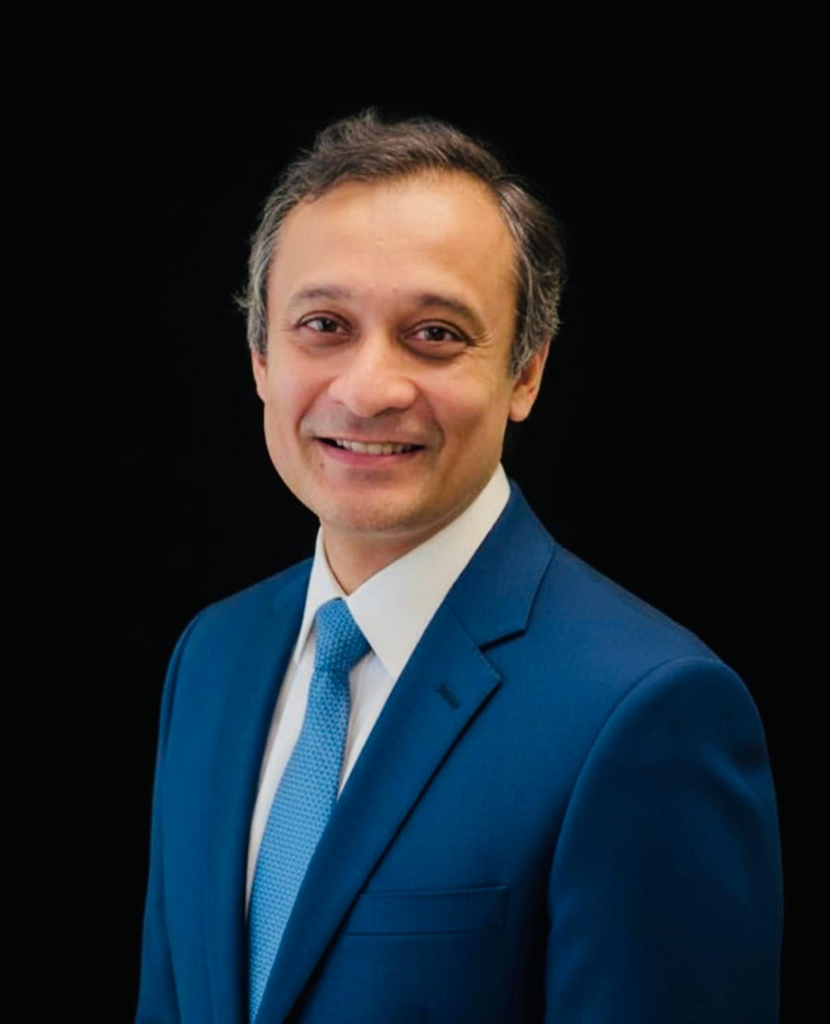
This requires exactly the expertise that surgical training provides. You have to know what surgery can and cannot accomplish to know when it is and is not necessary. A spine surgeon who only offers surgery is not serving their patients well. A spine surgeon who understands the full treatment spectrum, knows when conservative care is the right tool, and can design and oversee that care with the same rigor they bring to surgical planning, that is what comprehensive spine care looks like.
At Spine Care New Jersey, every patient who can reasonably be managed without surgery is offered the most thoughtfully designed and closely monitored conservative treatment plan that Dr. Sheth can provide. Physical therapy is at the center of that plan for the majority of patients. It is prescribed specifically, monitored consistently, and adjusted based on real outcomes rather than left to run its course and hope for the best.
For patients who ultimately do need surgery after a genuine trial of conservative care, they arrive at that decision with the confidence of knowing that every appropriate non-surgical option was genuinely tried. That confidence is worth something, and it is something Rishi N. Sheth, MD provides to every patient who comes through the door at Spine Care New Jersey.

Not sure whether your spine condition needs surgery or whether physical therapy and conservative care could help?
Submit your MRI for a free review by Rishi N. Sheth, MD and get an honest answer.
Common Questions About Physical Therapy and Rehabilitation at Spine Care New Jersey.
Look for a physical therapist with specific experience in spine rehabilitation, not a general orthopedic or sports PT practice. Ask whether the therapist has experience with your specific procedure, whether they communicate regularly with the referring surgeon, and whether the program is tailored to your diagnosis and surgical level. At Spine Care New Jersey, Rishi N. Sheth, MD provides every surgical patient with a specific rehabilitation prescription that gives the therapist the diagnosis, surgical details, and functional goals needed to design an effective post-operative program.
The most important factor is whether the clinic has therapists with specific spine rehabilitation experience and whether the program will be tailored to your actual diagnosis. A generic back pain program is not the same as a program designed specifically for lumbar stenosis, cervical radiculopathy, or post-fusion rehabilitation. Rishi N. Sheth, MD coordinates referrals to trusted physical therapy partners throughout northern New Jersey and provides every referred patient with a specific diagnosis-driven therapy prescription to ensure the program targets the right problem.
Most health insurance plans, including PPO plans, cover physical therapy for spine conditions when prescribed by a physician and documented as medically necessary. Spine Care New Jersey is an out-of-network practice for specialist consultations, but physical therapy referrals are made to participating in-network therapists when possible to maximize patients’ coverage benefits. Our team can help clarify coverage questions during the intake process. Physical therapy prescribed as part of a documented treatment plan typically qualifies for coverage under most plans.
Physical therapy for spine conditions focuses on pain reduction, strength and flexibility restoration, movement mechanics, and progressive functional rehabilitation. Occupational therapy focuses on helping patients adapt their daily activities and environment to manage limitations caused by pain or neurological deficits. For most spine patients, physical therapy is the primary rehabilitation discipline. Occupational therapy becomes more relevant for patients with significant functional impairment from neurological conditions such as myelopathy or spinal cord injury where adaptation of daily living tasks is an important component of recovery.
The duration of physical therapy for a spine condition depends on the specific diagnosis, the severity of symptoms, and the goals of treatment. Most conservative PT programs for herniated disc, stenosis, or degenerative disc disease involve six to twelve weeks of supervised therapy sessions, typically two to three times per week, followed by a home exercise program for ongoing maintenance. Post-surgical rehabilitation programs are staged over a longer period, generally three to six months, with the intensity and complexity of exercises progressing as healing allows. Rishi N. Sheth, MD sets specific functional milestones for each patient to guide progress assessment throughout the program.
Physical therapy for back pain is one of the most effective non-surgical treatments for improving mobility, reducing inflammation, strengthening core muscles, and relieving pressure on the spine. A customized rehabilitation program can help patients manage chronic pain, recover from injury, and reduce the risk of future back problems.
Physical therapy and rehabilitation can help treat a wide range of spinal and musculoskeletal conditions, including herniated discs, sciatica, spinal stenosis, neck pain, muscle strains, post-surgical recovery, and chronic lower back pain. Treatment plans are tailored to each patient’s condition, symptoms, and activity level.
A physical therapy and rehabilitation program typically starts with a comprehensive evaluation of strength, flexibility, posture, balance, and movement patterns. Patients may participate in guided exercises, stretching programs, manual therapy, and functional training designed to improve mobility, reduce pain, and support long-term spinal health.