

Cervical Artificial Disc Replacement
Minimally Invasive Spinal Fusion Surgery in Bergen County, New Jersey.
For decades, the standard surgical treatment for a cervical herniated disc or cervical degenerative disc disease causing arm pain, numbness, or weakness was ACDF—anterior cervical discectomy and fusion. ACDF works well. It relieves nerve compression effectively and has an excellent track record. But it does so by permanently eliminating motion at the treated level, which changes the mechanics of the cervical spine permanently and places additional stress on the discs above and below the fusion site.
Cervical artificial disc replacement was developed as an alternative that achieves the same goal — removing the damaged disc and relieving nerve compression while preserving the natural motion of the cervical spine at the treated level. Instead of fusing the vertebrae after disc removal, an artificial implant that mimics the function of the natural disc is placed in the disc space, allowing the spine to continue moving naturally at that segment.
For appropriately selected patients, cervical disc replacement offers several meaningful advantages over fusion. The clinical evidence supporting it has grown substantially since its FDA approval, and multiple long-term studies now confirm that cervical disc replacement produces outcomes equivalent to or better than ACDF for appropriate candidates, with the added benefit of preserved motion and reduced stress on adjacent spinal levels.
Rishi N. Sheth, MD, is certified in the ProDisc-C cervical disc replacement system, one of the most extensively studied and clinically validated cervical disc replacement implants available. He is one of the few spine neurosurgeons in Bergen County with this specific certification, giving patients in northern New Jersey access to motion-preserving cervical spine surgery from a surgeon whose training and credentials are among the strongest in the region.
Understanding the Key Difference — and Knowing Which Is Right for You.
The question patients most commonly ask when they have been told they have a cervical herniated disc or cervical degenerative disc disease requiring surgery is whether they need fusion or whether disc replacement is an option. It is one of the most important conversations in cervical spine surgery, and it is one Rishi N. Sheth, MD has with every eligible patient before any surgical recommendation is made.
Both ACDF and cervical disc replacement start the same way. A small incision is made in the front of the neck, the damaged disc is removed, and the nerve root or spinal cord is decompressed. The procedures diverge at the final step. In ACDF, a bone graft or structural implant is placed in the disc space and a titanium plate is fixed to the front of the vertebrae, joining them permanently. In cervical disc replacement, an artificial implant designed to replicate the natural movement of a cervical disc is placed in the disc space without any plate or fusion. The vertebrae remain separate and continue to move normally.
The clinical implications of this distinction are meaningful. A fused cervical level transfers its normal range of motion to adjacent levels, which must compensate for the lost motion above and below the fusion. Over time, this increased demand on adjacent levels can accelerate degeneration there, a phenomenon called adjacent segment disease. Studies suggest that patients who undergo cervical disc replacement have a lower rate of adjacent segment disease requiring reoperation compared to those who undergo ACDF.
Cervical disc replacement is not appropriate for every patient. It requires adequate bone quality, intact stabilizing ligaments, no significant facet joint arthritis at the treated level, and the absence of significant segmental instability. It is also currently FDA approved for one or two disc level replacements. Patients who need more levels treated, or who have anatomical factors that preclude disc replacement, are better served by ACDF. Dr. Sheth reviews every patient's imaging carefully to determine which procedure gives them the best long-term outcome.
Are You a Candidate for Cervical Disc Replacement?
Patient selection is the most important factor in achieving an excellent outcome from cervical disc replacement. Rishi N. Sheth, MD applies specific criteria to determine whether disc replacement or ACDF is the more appropriate choice for each individual patient.
Good candidates for cervical disc replacement generally share the following characteristics. They have symptomatic cervical disc disease at one or two levels causing radiculopathy, which means arm pain, numbness, or weakness from nerve root compression. Conservative treatment including physical therapy and cervical epidural injections has been tried without adequate relief. MRI imaging confirms disc herniation or degenerative disc disease at the symptomatic level without significant facet joint arthritis at that level. Bone quality is sufficient to support the implant. The patient is generally between 18 and 60 years of age and does not have conditions that would compromise implant integrity such as severe osteoporosis or active infection.
Patients who are not ideal candidates for disc replacement include those who need more than two cervical levels treated, those with significant facet joint arthritis at the involved level, patients with segmental instability requiring fusion for stabilization, those with severe osteoporosis, and patients with prior adjacent level fusion. For these patients, ACDF remains an excellent and well-proven treatment that Dr. Sheth also performs routinely.
If you have been told by another surgeon that you need ACDF and want to know whether disc replacement is a viable option for your anatomy, the free MRI review at Spine Care New Jersey provides an opportunity to get that question answered by a ProDisc-C certified surgeon before committing to a fusion.
What Cervical Disc Replacement Involves and What Recovery Looks Like.
The Procedure
Cervical disc replacement is performed under general anesthesia through the same anterior approach used in ACDF. Rishi N. Sheth, MD makes a small horizontal incision in a natural skin crease on one side of the neck, gently moves the structures of the neck to either side, and accesses the front of the cervical spine. The damaged disc is removed completely, along with
any bone spurs compressing the nerve root or spinal cord. The disc space is carefully prepared to the precise dimensions required for the ProDisc-C implant.
The ProDisc-C implant consists of two metal endplates that anchor to the surfaces of the vertebrae above and below the disc space, with an articulating component between them that allows the natural range of motion of the cervical disc to be replicated. Once the implant is positioned and confirmed with intraoperative imaging, the incision is closed. The procedure typically takes between 60 and 90 minutes for a single level.
Recovery
Recovery from cervical disc replacement is similar to ACDF and in some respects slightly faster, since there is no fusion healing process to wait for. Most patients go home the day after surgery following an overnight observation stay. The arm pain, numbness, and tingling from the compressed nerve root typically begins resolving within the first few days after surgery.
Return to light activity and desk work usually occurs within two to three weeks. Driving is typically permitted at two to three weeks once pain medications have been discontinued. Physical therapy begins at four to six weeks and focuses on cervical strengthening and range of motion work. Because disc replacement preserves motion rather than eliminating it, the postoperative physical therapy program differs slightly from ACDF rehabilitation and emphasizes restoring the full range of cervical movement while protecting the implant during the early healing phase.
Return to more demanding physical activities, sports, and heavy labor generally occurs between eight and twelve weeks, once the implant has become well integrated with the surrounding bone.
ProDisc-C Certified. MSK Fellowship Trained. Bergen County Based.
Cervical disc replacement is not a procedure every spine surgeon offers, and among those who do, the depth of training and certification varies considerably. The ProDisc-C system requires specific surgical training and certification before a surgeon can implant it. This credentialing process is designed to ensure that surgeons who perform ProDisc-C disc replacement have demonstrated technical competency with the implant before using it in clinical practice.
Rishi N. Sheth, MD holds ProDisc-C certification, placing him among a select group of surgeons in New Jersey qualified to offer this specific motion-preserving cervical disc replacement system. This certification is not simply administrative — it reflects a demonstrated mastery of the
surgical technique required to seat the implant correctly, achieve appropriate disc space distraction, and verify proper alignment and fixation before the patient leaves the operating room.
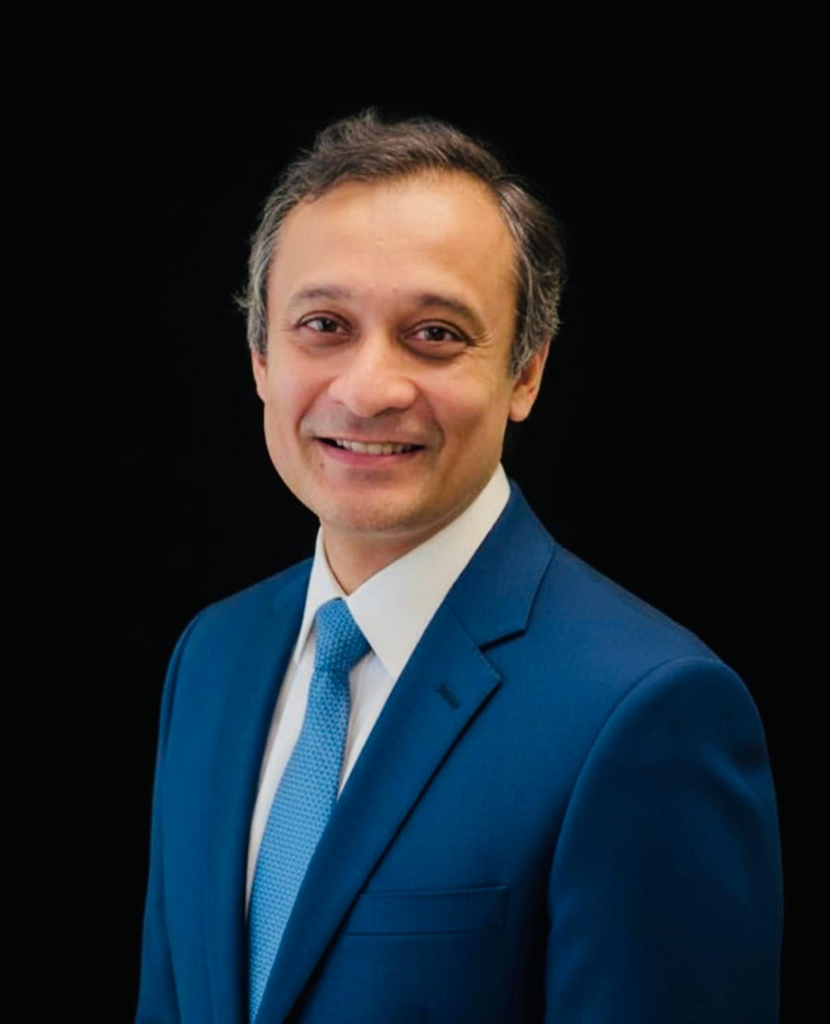
Dr. Sheth also brings a depth of cervical spine surgical expertise that goes beyond the disc replacement procedure itself. His fellowship training in spine surgery at the University of Miami and his neurosurgical oncology fellowship at Memorial Sloan Kettering Cancer Center involved extensive work in and around the cervical spinal cord and nerve roots. This background is particularly relevant for patients with cervical disc disease accompanied by significant nerve compression or early myelopathy, where the decompression component of the procedure requires careful microsurgical technique alongside the implant placement.
For patients throughout Bergen County and northern New Jersey who want to explore whether cervical disc replacement is a better option than the ACDF they have been told they need, Spine Care New Jersey offers the rare combination of ProDisc-C certification, neurosurgical fellowship training, and boutique private practice care in one location.

Been told you need ACDF for your cervical disc disease?
Find out whether disc replacement is a better option for you. Submit your MRI for a free review by Rishi N. Sheth, MD — no cost, no obligation.
Common Questions About Cervical Disc Replacement at Spine Care New Jersey.
Cervical Disc Replacement is a surgical procedure that removes a damaged disc in the neck and replaces it with an artificial disc. The procedure helps relieve nerve compression while preserving natural neck movement and flexibility.
When comparing disc replacement vs fusion, the main difference is motion preservation. Disc replacement maintains movement in the cervical spine using an artificial disc, while spinal fusion permanently joins two vertebrae together to stop movement at that level.
Artificial disc vs fusion surgery is often preferred by active patients who want to maintain flexibility and range of motion in the neck. Artificial discs are designed to preserve movement, while fusion limits motion at the treated spinal level.
Patients comparing cervical disk replacement vs fusion may find that cervical disc replacement often allows for a faster recovery and quicker return to daily activities because it does not require the bones to fuse together.
Good candidates for Cervical Disc Replacement are patients with damaged cervical discs causing neck pain, arm pain, numbness, or weakness that has not improved with conservative treatments such as medication or physical therapy.
ProDisc Cervical is an artificial disc implant used in cervical disc replacement surgery. It is designed to replace a damaged cervical disc while maintaining spinal alignment and preserving natural neck movement.
Recovery after Cervical Disc Replacement varies by patient, but many individuals can return to light activities within a few weeks. Full recovery and improved mobility may continue over the following months.
Cervical Disc Replacement may help reduce neck and arm pain, preserve natural movement, improve daily function, and place less stress on nearby spinal discs compared to traditional fusion surgery