

Minimally Invasive Spine Surgery
Minimally Invasive Spine Surgery in Hudson County from a Fellowship-Trained Neurosurgeon.
The term minimally invasive spine surgery in NJ describes a group of surgical techniques that accomplish the same goals as traditional open spine surgery but through much smaller incisions, with far less disruption to the muscles and soft tissues surrounding the spine. The result is a procedure that is equally effective at treating the underlying condition while producing significantly less postoperative pain, a shorter hospital stay, reduced blood loss, and a much faster return to normal activity.
In traditional open spine surgery, large incisions are made and the muscles alongside the spine are pulled aside and held retracted for the duration of the procedure. This muscle retraction causes the majority of postoperative pain and the prolonged recovery associated with conventional spine surgery. Minimally invasive techniques use specialized tubular retractors, endoscopes, and advanced imaging guidance to access the spine through incisions measured in centimeters rather than inches, without stripping or prolonged retraction of the surrounding musculature.
Rishi N. Sheth, MD, performs the full spectrum of minimally invasive spine procedures at Spine Care New Jersey. His fellowship training in spine surgery at the University of Miami and his certification in Mazor robotic spine surgery place him among the most technically equipped spine neurosurgeons in Hudson County for minimally invasive surgical care. Dr. Sheth applies these techniques across the entire range of spinal conditions he treats, from simple lumbar disc herniations to complex multi-level decompressions and instrumented fusions.
The Full Range of Minimally Invasive Spine Procedures Available at Spine Care New Jersey.
Minimally invasive spine surgery New Jersey is not a single procedure. It is an approach that can be applied to many different types of spinal surgery. The following are the minimally invasive procedures Rishi N. Sheth, MD performs at Spine Care New Jersey, each linked to its dedicated treatment page for more detailed information.
Microdiscectomy
The most commonly performed minimally invasive spine procedure. Through a small incision and using a surgical microscope, Dr. Sheth removes the disc fragment compressing a nerve root in the lumbar spine. Most patients experience immediate relief from radiating leg pain and go home the same day.
Spinal Decompression and Laminectomy
Minimally invasive laminectomy and hemilaminectomy relieve pressure on compressed nerve roots or the spinal cord by removing the portion of bone and thickened ligament narrowing the spinal canal, through a smaller incision and with significantly less muscle disruption than traditional open decompression.
Minimally Invasive Spinal Fusion
When spinal instability, spondylolisthesis, or severe degenerative disc disease requires fusion, Dr. Sheth performs minimally invasive fusion techniques including TLIF and DLIF through small lateral or posterior incisions, placing instrumentation and bone graft with Mazor robotic assistance to maximize precision and minimize operative trauma.
Endoscopic Spine Surgery
For appropriate candidates, fully endoscopic spine surgery achieves disc removal and nerve decompression through an incision of approximately one centimeter, using a small camera and specialized instruments inserted through a thin working channel. Recovery is among the fastest of any spine surgical approach.
Foraminotomy
Minimally invasive foraminotomy widens the foraminal opening through which a nerve root exits the spine, relieving compression without removing the disc or performing a fusion. It is particularly effective for nerve root compression caused by bone spurs and foraminal stenosis.
Vertebroplasty and Kyphoplasty
These needle-based procedures stabilize painful vertebral compression fractures by injecting bone cement through a small puncture site under imaging guidance. No incision is required and most patients experience significant pain relief within 24 to 48 hours.
Robotic Spine Surgery
When surgical complexity or the precision demands of instrumentation placement require it, Dr. Sheth incorporates Mazor robotic spine surgery technology into the procedure. The robotic system provides computer-guided accuracy for screw and implant placement that exceeds the precision achievable by human hands alone, reducing the risk of misplacement and its associated complications.
?Most Patients Who Need Spine Surgery Are Candidates for a Minimally Invasive Approach.
One of the most common misconceptions about minimally invasive spine surgery is that it is only suitable for straightforward or simple cases. In reality, advances in technique and technology have made minimally invasive approaches viable for an increasingly broad range of spinal conditions, including many that would historically have required large open procedures.
Good candidates for minimally invasive spine surgery generally include patients with herniated or bulging discs causing nerve compression and radicular symptoms, lumbar spinal stenosis causing leg pain and reduced walking tolerance, spondylolisthesis requiring decompression with or without fusion, degenerative disc disease with instability at one or more levels, cervical disc disease requiring ACDF or disc replacement, and vertebral compression fractures from osteoporosis or trauma.
Factors that influence candidacy for a minimally invasive approach include the specific anatomy of the condition, the number of spinal levels involved, the patient's body habitus, prior surgical history, and bone quality. Not every patient or every condition is best served by a minimally invasive technique. Rishi N. Sheth, MD always selects the surgical approach that is most likely to produce the best outcome for that individual patient, which sometimes means a more traditional exposure is the right choice.
This honest, individualized assessment is something patients consistently value about Dr. Sheth's approach. The goal is never to perform a minimally invasive procedure for its own sake, but to use the least invasive approach that is also the most effective approach for the specific condition being treated.
BenefitsWhat to Expect Before, During, and After Minimally Invasive Spine Surgery.
Benefits Over Traditional Open Surgery
The advantages of minimally invasive spine surgery near me
over conventional open approaches are well established and meaningful for patients.
Smaller incisions mean less scarring, lower infection risk, and significantly less pain in the immediate postoperative period. Most patients require considerably less pain medication after minimally invasive procedures than after comparable open surgeries.
Reduced muscle trauma is one of the most important advantages. The paraspinal muscles that run along the spine are the primary stabilizers of the spine. Conventional open surgery involves significant disruption of these muscles, which contributes to prolonged postoperative pain and prolonged recovery. Minimally invasive approaches preserve these muscles, which means patients regain functional stability faster.
Shorter hospital stays are a practical benefit that most patients appreciate. Many minimally invasive spine procedures are performed on an outpatient basis or require only an overnight stay, compared to two to four nights for equivalent open procedures.
Faster return to daily activities and work is perhaps the most valued advantage. Depending on the specific procedure and the demands of the patient's occupation, return to sedentary work typically occurs within one to two weeks, and return to more physically demanding activities within six to twelve weeks.
Recovery Timeline
Microdiscectomy and endoscopic disc surgery: Most patients go home the same day. Light activity resumes within a few days. Return to desk work in one to two weeks. More physical activities in four to eight weeks.
Minimally invasive laminectomy and decompression: Hospital stay of one night in most cases. Return to light activity within one to two weeks. Full recovery in six to twelve weeks depending on the extent of the decompression.
Minimally invasive spinal fusion: Recovery is longer given the biological process of bone fusion, which takes several months to complete. Most patients are mobile and comfortable within two to four weeks. Return to work depends on the demands of the occupation. Full fusion is typically confirmed at three to six months on imaging.
Vertebroplasty and kyphoplasty: Patients go home the same or following day. Pain relief begins within 24 to 48 hours. Activity restrictions are minimal.
The Minimally Invasive Spine Expertise Hudson County Patients Deserve.
Not all spine surgeons who describe themselves as minimally invasive specialists have equivalent training and experience. The term minimally invasive has become ubiquitous in spine surgery marketing, but what it means in practice varies considerably from one surgeon to the next. For patients trying to evaluate their options, the questions worth asking are specific: What minimally invasive techniques does the surgeon perform? Are they endoscopic, tubular, or robotic-assisted? Are they fellowship-trained in these specific approaches? And do they perform them regularly, or occasionally?
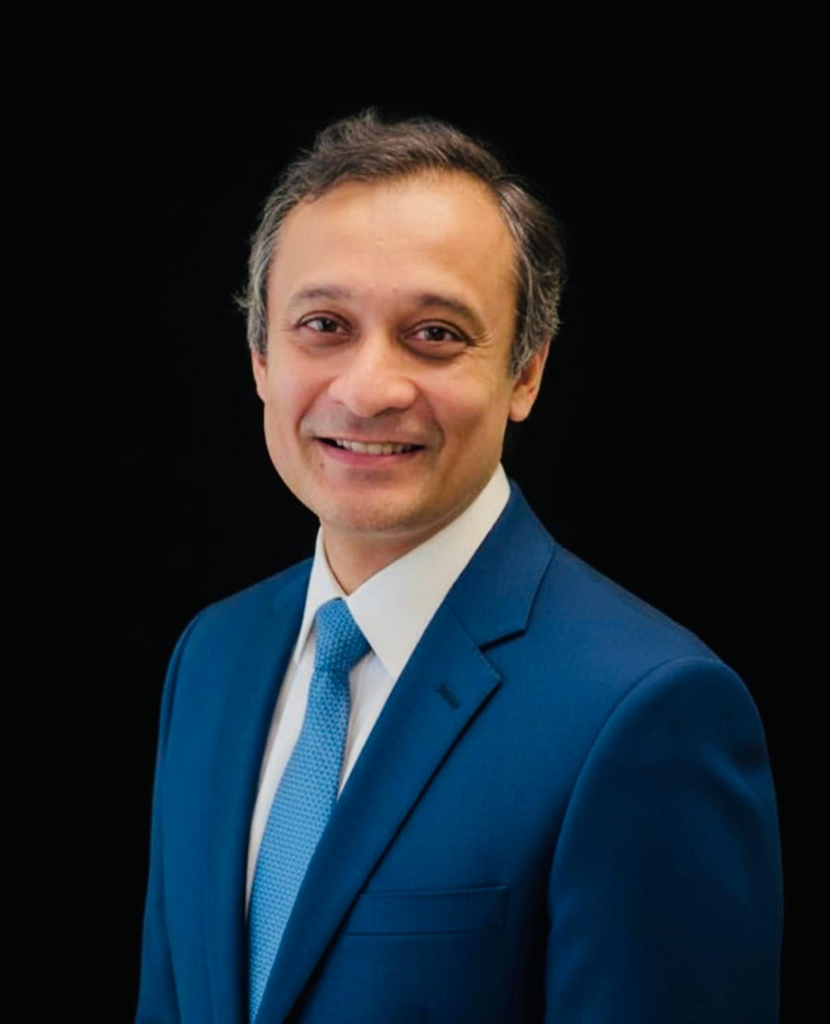
Rishi N. Sheth, MD's minimally invasive credentials are specific and verifiable. He completed fellowship training in spine surgery at the University of Miami, one of the premier spine surgery training programs in the country. He is certified in Mazor robotic spine surgery, which represents one of the highest standards of precision available in spine surgery today. He performs the full range of minimally invasive procedures, including endoscopic techniques, tubular retractor-based surgery, and minimally invasive instrumented fusion, across both the cervical and lumbar spine.
At Spine Care New Jersey, patients also benefit from the continuity of care that a boutique private practice provides. The surgeon who evaluates you, explains the procedure, operates on you, and follows you through recovery is the same person at every appointment. That consistency matters enormously in surgical care, and it is something large multi-surgeon practices and hospital-based programs cannot always offer.

Want to know whether your condition can be treated with a minimally invasive approach?
Submit your MRI for a free review by Rishi N. Sheth, MD and get an honest assessment before making any decision.
Common Questions About Minimally Invasive Spine Surgery at Spine Care New Jersey.
Minimally invasive spine surgery is a technique that uses small incisions and specialized instruments to treat spine conditions. It is designed to reduce muscle damage, minimize pain, and support faster recovery compared to traditional open surgery.
Minimally invasive spine surgery can treat conditions such as herniated discs, spinal stenosis, degenerative disc disease, spinal fractures, and certain spinal deformities, depending on the patient’s condition.
Minimally invasive spine surgery is considered safe when performed by an experienced spine specialist. It typically has a lower risk of complications, reduced blood loss, and a faster recovery time compared to traditional surgery, though all procedures carry some level of risk.
Benefits include smaller incisions, less tissue damage, reduced pain after surgery, shorter hospital stays, faster recovery, and a quicker return to daily activities.
Minimally invasive cervical spine surgery is a specialized procedure performed on the neck (cervical spine) using small incisions and advanced tools to treat issues such as disc herniation or nerve compression in the neck.
Recovery time varies depending on the procedure and individual health, but many patients return to light activities within a few weeks and experience faster healing compared to traditional spine surgery.
NJ minimally invasive spine surgery offers access to advanced techniques and experienced specialists who focus on reducing recovery time and improving outcomes for patients dealing with spine conditions.
Good candidates are typically patients with specific spine conditions that can be treated without open surgery. A thorough evaluation by a spine specialist is required to determine if this approach is appropriate.