

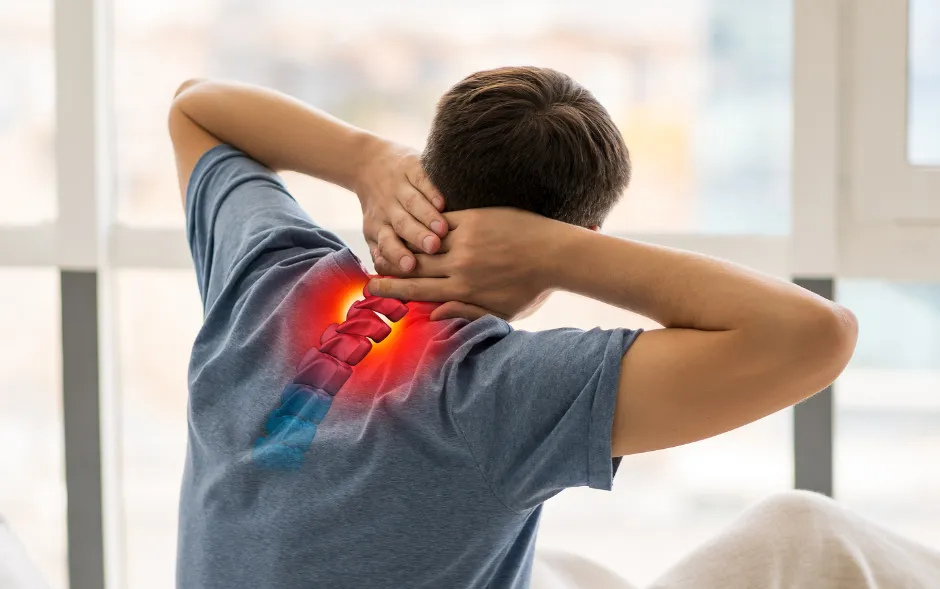
Neck pain can affect every part of your daily routine, from working and driving to sleeping comfortably at night. While some neck discomfort may improve with rest, persistent pain combined with numbness, weakness, or tingling may signal a more serious spinal condition. One of the most common causes of chronic neck and arm pain is a cervical herniated disc.
Recognizing cervical herniated disc symptoms early is essential for preventing long-term complications and improving recovery outcomes. When a disc in the cervical spine becomes damaged or slips out of place, it can place pressure on nearby nerves, leading to pain and neurological symptoms that should never be ignored.
At Spine Care New Jersey, patients receive advanced diagnosis and treatment for spinal conditions under the expertise of Rishi N. Sheth, MD. Understanding the warning signs of a cervical disc problem can help patients seek timely care and avoid worsening symptoms.
What Is a Cervical Herniated Disc?
The cervical spine consists of seven vertebrae located in the neck region. Between these vertebrae are soft discs that act as cushions and help absorb shock. Each disc contains a soft inner core surrounded by a tougher outer layer.
A cervical herniated disc occurs when the outer layer weakens or tears, allowing the inner material to protrude outward. This can irritate or compress nearby spinal nerves, causing pain and neurological symptoms.
In many cases, cervical spine nerve compression develops gradually due to aging and wear-and-tear. However, injuries, poor posture, repetitive strain, and sudden trauma may also contribute to disc herniation.
Common Causes of Cervical Disc Herniation
Several factors may increase the risk of developing a herniated disc in the neck, including:
- Age-related disc degeneration
- Poor posture while using computers or phones
- Repetitive neck movements
- Heavy lifting
- Sports injuries
- Car accidents or whiplash
- Smoking
- Obesity
- Lack of regular exercise
Over time, spinal discs lose hydration and flexibility, making them more vulnerable to tears and injury.
10 Must-Know Cervical Herniated Disc Symptoms You Should Never Ignore
Understanding the most common symptoms of neck disc herniation can help you determine when it is time to seek medical attention.
1. Persistent Neck Pain
One of the earliest and most common cervical herniated disc symptoms is persistent neck pain. The discomfort may range from mild stiffness to severe, sharp pain that limits movement.
Pain often worsens with:
- Looking down for extended periods
- Turning the head
- Sleeping in poor positions
- Long hours at a desk
- Physical activity
Some patients experience pain localized in the neck, while others notice it radiating into the shoulders and arms.
2. Pain Radiating Into the Shoulder and Arm
When a herniated disc compresses nearby nerves, pain may travel from the neck into the shoulder, upper arm, forearm, or hand. This radiating pain is commonly referred to as cervical radiculopathy.
Patients often describe the pain as the following:
- Burning
- Sharp
- Shooting
- Electric-like
- Deep aching
The location of symptoms depends on which cervical nerve root is affected.
3. Arm Numbness From Neck Pain
One of the most concerning signs of nerve involvement is arm numbness from neck pain. Nerve compression can interfere with normal sensation, leading to numbness or tingling in the arms, hands, or fingers.
You may notice:
- Pins-and-needles sensations
- Reduced sensitivity
- Hand numbness during sleep
- Tingling when moving the neck
- Difficulty feeling objects properly
Ignoring these symptoms may allow nerve irritation to worsen over time.
4. Weakness in the Arms or Hands
Muscle weakness is another serious symptom associated with cervical spine nerve compression. A compressed nerve may reduce communication between the brain and muscles.
Signs of weakness include:
- Dropping objects frequently
- Difficulty gripping items
- Weak hand strength
- Trouble lifting objects
- Reduced arm coordination
Weakness should never be ignored because prolonged nerve compression may lead to permanent nerve damage.
5. Tingling Sensations in the Fingers
Different cervical nerves affect different areas of the arm and hand. A herniated disc may cause tingling in specific fingers, depending on the affected nerve root.
For example:
- Thumb tingling may involve the C6 nerve
- Middle finger symptoms may involve the C7 nerve
- Ring or little finger tingling may involve the C8 nerve
These neurological symptoms are classic neck disc herniation symptoms that often indicate nerve irritation.
6. Limited Neck Mobility
A herniated cervical disc can cause inflammation and muscle spasms, making it difficult to move the neck comfortably.
Patients may experience:
- Neck stiffness
- Difficulty turning the head
- Reduced range of motion
- Pain when tilting the neck
- Muscle tightness
Restricted mobility can interfere with driving, work, and daily activities.
7. Headaches Originating From the Neck
Cervical disc issues can sometimes trigger headaches, particularly at the base of the skull. These are often called cervicogenic headaches.
Symptoms may include:
- Pain starting in the neck
- Headaches worsened by neck movement
- Pressure around the back of the head
- Pain radiating behind the eyes
When headaches occur alongside other cervical herniated disc symptoms, spinal evaluation may be necessary.
8. Muscle Spasms
The body often responds to spinal irritation with muscle tightening and spasms. These spasms may feel painful and can worsen neck stiffness.
Muscle spasms may occur:
- Along the neck
- On the shoulders
- Between the shoulder blades
- In the upper back
Spasms may increase after prolonged sitting or physical activity.
9. Balance and Coordination Problems
In severe cases, a cervical herniated disc can compress the spinal cord itself rather than just individual nerves. This condition, called cervical myelopathy, requires urgent medical evaluation.
Warning signs include:
- Difficulty walking
- Poor balance
- Clumsiness
- Hand coordination problems
- Frequent falls
These symptoms may indicate advanced cervical spine nerve compression and should never be ignored.
10. Pain That Worsens Over Time
Some people initially experience mild discomfort that gradually becomes more severe. Progressive symptoms often indicate worsening nerve irritation or increasing disc damage.
Seek medical care if you notice:
- Increasing pain intensity
- Expanding numbness
- Worsening weakness
- Symptoms affecting both arms
- Loss of daily function
Early treatment can help prevent long-term complications.
How Cervical Spine Nerve Compression Affects Daily Life
Untreated cervical spine nerve compression can interfere with nearly every aspect of life. Chronic pain and neurological symptoms may affect the following:
- Sleep quality
- Work productivity
- Exercise routines
- Driving ability
- Household tasks
- Mental well-being
Many patients also develop chronic stress and fatigue due to ongoing pain and reduced mobility.
When Should You See a Spine Specialist?
You should seek medical attention if you experience:
- Persistent neck pain lasting several weeks
- Arm numbness from neck pain
- Weakness in the arms or hands
- Tingling sensations
- Difficulty gripping objects
- Severe headaches with neck pain
- Balance or coordination problems
Prompt evaluation helps identify the source of symptoms and allows earlier treatment.
At Spine Care New Jersey, patients receive comprehensive spinal evaluations designed to identify the exact cause of neck and arm symptoms.
How Cervical Herniated Discs Are Diagnosed
Diagnosing a cervical herniated disc typically involves:
- Physical examination
- Neurological testing
- Medical history review
- MRI imaging
- CT scans
- X-rays
- Electromyography (EMG), when necessary
A detailed evaluation helps determine the severity of nerve involvement and guides treatment planning.
Treatment Options for Cervical Herniated Disc Symptoms
Treatment depends on symptom severity, nerve involvement, and overall spinal health.
Conservative Treatments
Many patients improve with non-surgical therapies such as the following:
- Physical therapy
- Anti-inflammatory medications
- Posture correction
- Activity modification
- Cervical traction
- Epidural steroid injections
These approaches aim to reduce inflammation and relieve pressure on the nerves.
Minimally Invasive Spine Procedures
If symptoms persist despite conservative care, minimally invasive procedures may be recommended.
Advanced treatments may include:
- Cervical discectomy
- Artificial disc replacement
- Spinal decompression surgery
- Fusion procedures
At Spine Care New Jersey, Rishi N. Sheth, MD, specializes in advanced spine care techniques focused on relieving nerve pressure while minimizing recovery time.
Tips to Protect Your Cervical Spine
Preventive strategies can help reduce the risk of cervical disc problems.
Maintain Good Posture
Keep screens at eye level and avoid prolonged forward head posture.
Take Frequent Breaks
Avoid sitting in one position for long periods.
Strengthen Neck and Core Muscles
Regular exercise supports spinal stability.
Use Proper Lifting Techniques
Lift with your legs instead of straining your neck and back.
Sleep With Proper Neck Support
Use a supportive pillow that maintains spinal alignment.
Stay Active
Regular movement improves circulation and spinal health.
Why Early Treatment Matters
Ignoring cervical herniated disc symptoms may lead to worsening nerve damage and chronic pain. Early diagnosis often allows for more effective treatment and may reduce the need for surgery.
Patients who seek timely care often experience the following:
- Faster symptom relief
- Improved mobility
- Better long-term outcomes
- Reduced risk of permanent nerve injury
Recognizing warning signs early is one of the most important steps in protecting spinal health.
Conclusion
A cervical herniated disc can significantly impact your daily life, especially when symptoms begin affecting the nerves in your neck, arms, and hands. Persistent neck pain, tingling, weakness, and arm numbness from neck pain should never be ignored. These symptoms may indicate serious cervical spine nerve compression that requires professional evaluation.
Understanding the warning signs of neck disc herniation symptoms allows patients to seek treatment before complications worsen. Early diagnosis and appropriate care can help relieve pain, restore mobility, and improve quality of life.
At Spine Care New Jersey, patients receive personalized spinal care from Rishi N. Sheth, MD, who specializes in diagnosing and treating complex spinal conditions using advanced and minimally invasive techniques.
If you are experiencing ongoing neck pain, numbness, or weakness, consulting a spine specialist may be the first step toward lasting relief.
(FAQs)
1. What are the most common cervical herniated disc symptoms?
The most common cervical herniated disc symptoms include neck pain, arm pain, tingling, numbness, muscle weakness, and reduced neck mobility.
2. Can a cervical herniated disc cause arm numbness?
Yes. Arm numbness from neck pain often occurs when a herniated cervical disc compresses nearby nerves that travel into the arm and hand.
3. What causes cervical spine nerve compression?
Cervical spine nerve compression may result from disc herniation, spinal degeneration, bone spurs, injuries, or narrowing of the spinal canal.
4. When should I see a doctor for neck disc herniation symptoms?
You should seek medical care if symptoms persist for several weeks or include weakness, numbness, balance issues, or severe pain.
5. Can cervical herniated disc symptoms improve without surgery?
Yes. Many patients improve with physical therapy, medications, posture correction, and other non-surgical treatments.
6. Is surgery always necessary for cervical disc herniation?
No. Surgery is usually considered only when conservative treatments fail or when significant nerve compression causes worsening neurological symptoms.